Welcome to Pl@ntNet-identify,

a picture identification tool realized by the Pl@ntNet project.

The goal of this software is to allow you to submit botanical pictures against a database in order to help you in the identification process, and extract the closest matches in the database rather than manually searching through thousand of entries.

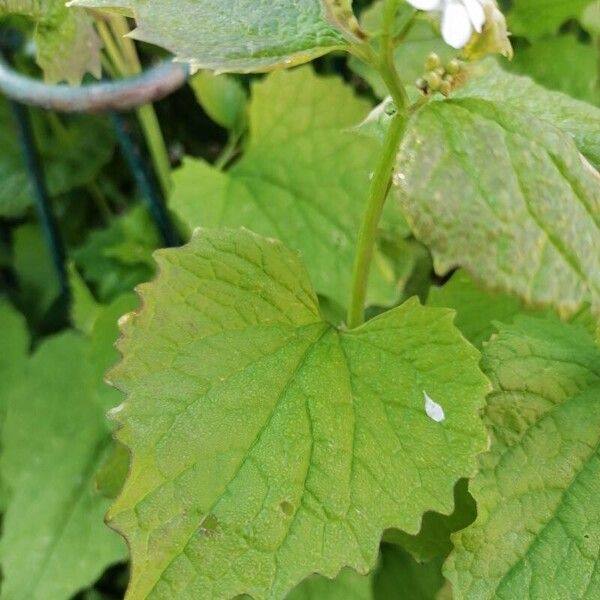
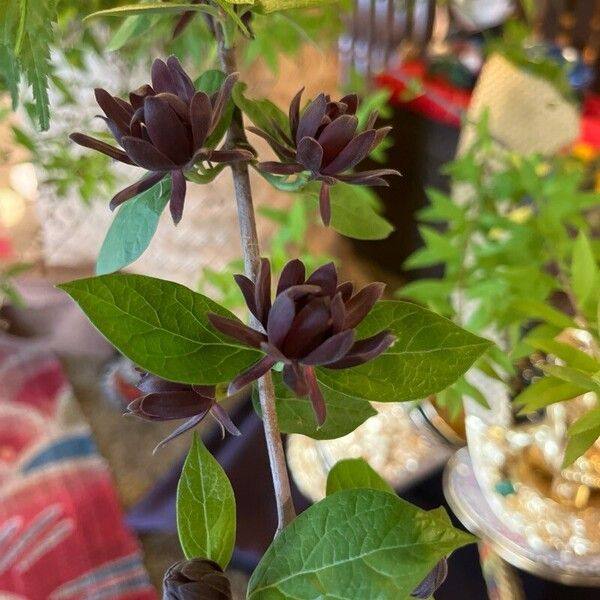
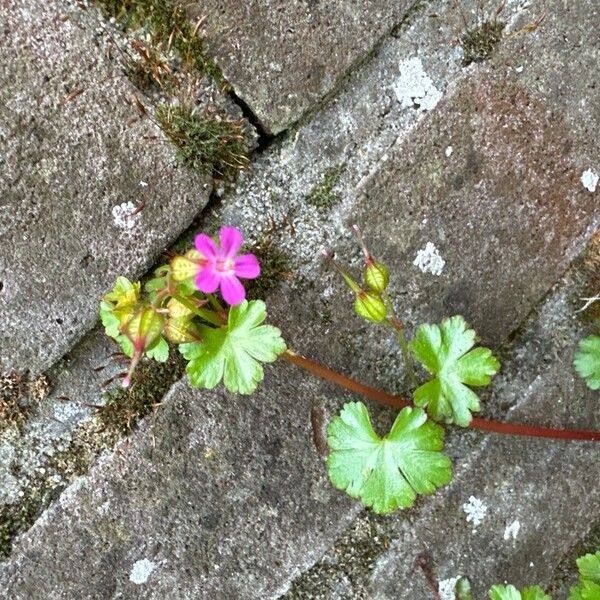
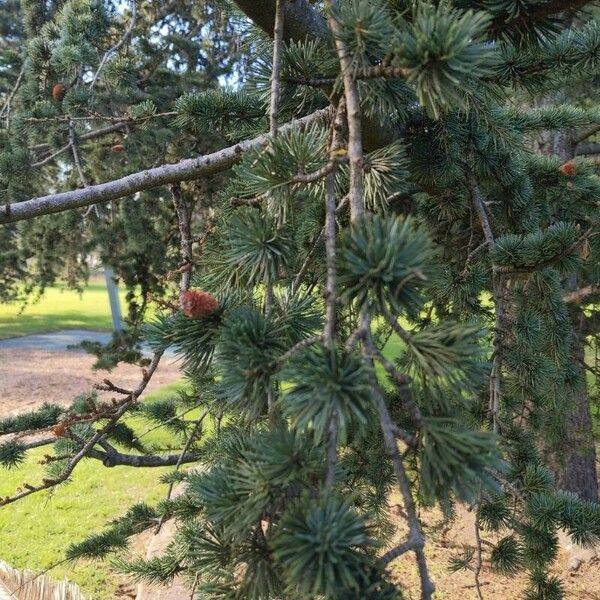
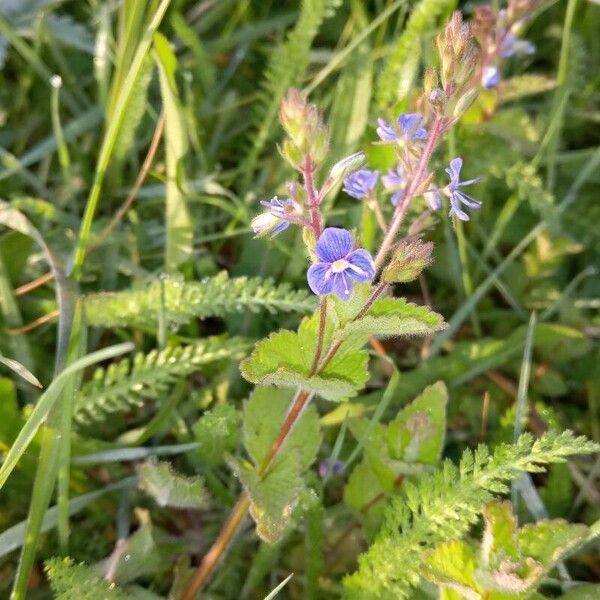
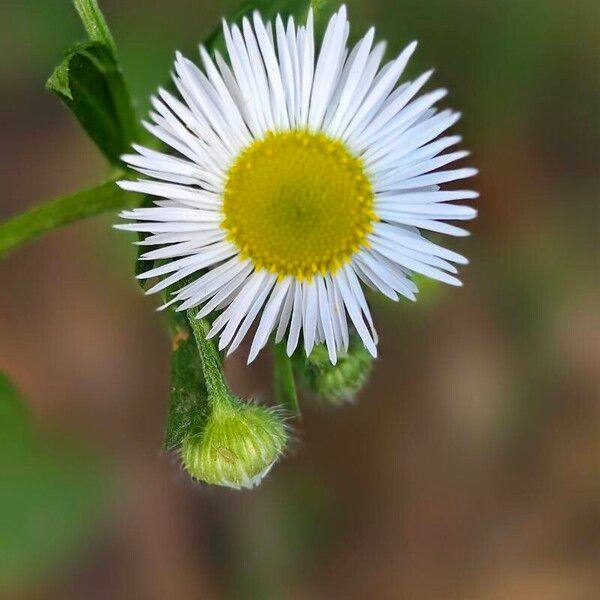
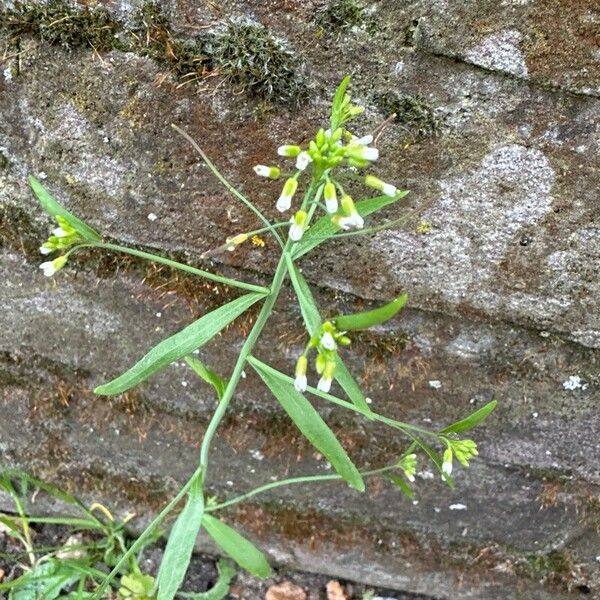
In order to use this software you will have to choose between the following databases which is most adapted to your picture identification, depending on the plant location, and the type of data contained in your picture (each database is illustrated by a random set of images to give you the big picture!).

After following the "Identify" link corresponding to the knowledge database you have chosen, you will then be invited to provide the picture(s) of the species you are willing to identify and launch the identification process.

2183 Images / 54 Species
4867 Images / 181 Species
65406 Images / 5144 Species
1076 Images / 144 Species
5412 Images / 71 Species

The Pl@ntScan database is a collaborative botanical dataset. The database focuses on leaves of 71 tree species from French Mediterranean area, and contains 3 different kinds of pictures: scans, scan-like photos and free natural photos. The uniqueness of the Pl@ntLeaves database is that the scans were created by 20 different persons, some professional botanists and some volunteers belonging to the French botanical social network Telabotanica. The leaves were collected at different places mainly in the south of France and were acquired with various scanners. All data were validated one-by-one by botanists from the Amap Unit Research of Montpellier. Each scan shows the upper-side of one leaf, most of the time centered and oriented vertically along the main natural axis and with the petiole visible.

The Tree database contains images of trees from the french flora collected by amateurs’ botanists as part of the project “Capitalisation d’images de plantes “. The main objective of this project is to collect and aggregate a visual knowledge on 5 kinds of organs/views of plants: the leaves, the flowers, the fruits, the trunk and the entire view of the plant (or "port"). These different kinds of views are expected to improve considerably the identification process: it opens the possibility to identify a photographed plant all over a year even if all organs are not available, and it enables to disambiguate species which have very similar organs by analysing the complementary views.
Please, joins us! Contribute to this growing database on plant organs, and contribute thereby to improve the identification process!

This database contains almost 90000 pictures of european flora. It was realized by Jean-Luc TASSET and Benoit BOCK, both sharing the same passion for naturalist photgraphy, and gratefully sharing their precious botanical work with the community.The original database is visible following the link http://photoflora.free.fr.

Irrigated rice farming provides about 75 percent of the world’s rice needs, and has a particularly important role to play at the moment as international rice prices are at a 10-year high, while global stocks are at a 30-year low. Weeds are the major cause of the reduction of rice growth rates and productivity with a yield loss of 10 to 30% worldwide. IRRI (International Rice Research Institute) highlighted this problem in its 2000 strategic plan where weed control is its major concern. Improved weed control through Integrated Pest and Weed Management is the most attractive option for crop protection. It involves the appropriate choice and combination of compatible cropping, mechanical, biological and chemical measures such that each complements the others to maintain the weed population at manageable levels. This approach based on weed control requires weeds to be identified as soon as they appear in the field, i.e. generally before flowering, together with access to up-to-date and reliable information on weed species and weed management practices.
Pl@ntNet identify now runs on the RiceWeeds database. It allows you to submit an image and identify it by visual similarity.